
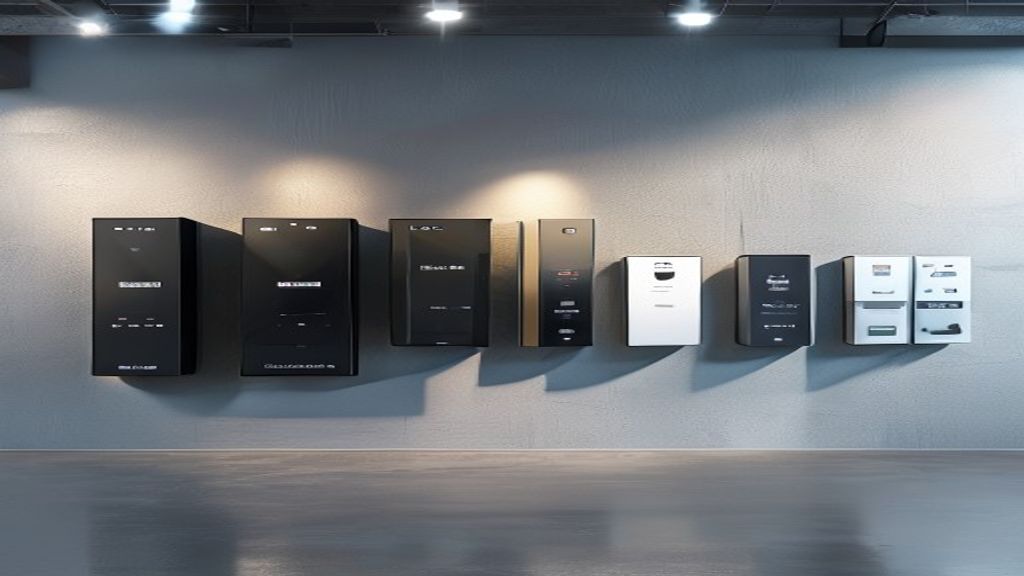
The Tesla Powerwall 3 is the default answer in home batteries. Ask three solar installers for a quote and odds are at least two of them will lead with it. It is a genuinely good product: 13.5kWh of storage, a built-in solar inverter, and 11.5kW of continuous output that can start an air conditioner without breaking a sweat.
But “default” is not the same as “best for you.” Plenty of homeowners get partway through the quoting process and start wondering whether they are buying the right battery or just the most famous one. Maybe the local Tesla-certified installer has a four-month backlog. Maybe you already have Enphase microinverters on the roof and the Powerwall would fight your existing system. Maybe you simply do not want your home’s energy tied to one company’s app and one company’s service network.
The good news is that 2026 is the best year yet to shop around. At least five serious alternatives now match or beat the Powerwall 3 on specific things that matter: modularity, capacity, price, or flexibility. This guide breaks down each one, who it fits, and, honestly, when the Powerwall is still the right call.
Quick Answer: The Best Powerwall 3 Alternatives in 2026
- Best for existing solar owners: Enphase IQ Battery 5P. Modular 5kWh blocks that pair natively with the microinverters already on millions of American roofs.
- Best whole-home replacement: FranklinWH aPower 2. Bigger than a Powerwall (15kWh) with a smart controller that manages the grid, solar, generator, and EV charging in one box.
- Best budget option: EG4 PowerPro. Roughly 14kWh of wall-mounted LiFePO4 storage for around a third of the hardware cost of the big brands.
- Best modular design: Anker SOLIX X1. Stackable 5kWh modules, a slim profile, and full-power output in extreme cold.
- Most flexible: EcoFlow DELTA Pro Ultra or Bluetti Apex 300 class systems. Semi-portable batteries that back up the whole panel today and move with you if you sell the house.
- Stick with the Powerwall 3 if you want the strongest installer network, the most mature software, and the best price-per-kWh among premium brands.
Why People Look Beyond the Powerwall 3
Installer availability is the number one reason. Tesla certifies installers, and in hot solar markets the good ones are booked out for months. In rural areas, you may not have a certified installer within two hours. A battery you can actually get installed in six weeks beats a slightly better battery you wait six months for.
Ecosystem lock-in is the second. The Powerwall 3 has its solar inverter built in, which is elegant on a new install and awkward on an existing one. If your roof already runs Enphase microinverters or a SolarEdge string inverter, adding a Powerwall means AC-coupling around equipment you already paid for, and future service calls involve two companies pointing fingers at each other.
Price is the third. A single Powerwall 3 installed typically lands around $13,000 to $16,000 before incentives. That is actually competitive per kilowatt-hour, but if you only need 5 to 10kWh of backup, you are paying for capacity you will not use. Modular systems let you buy small and grow.
Expansion has real nuances. The Powerwall 3 expands with DC Expansion units that add capacity but not inverter power, and every expansion decision routes through Tesla hardware. Competitors like Enphase and Anker let you add storage in 5kWh increments, and some let you add output power too. If your needs are likely to change (a new EV, a heat pump, an addition), granular expansion matters.
One more factor worth naming: service philosophy. Tesla support is app-first and famously hard to reach by phone. Some homeowners are fine with that. Others, especially those who see a home battery as critical infrastructure, want a company with human beings who answer.
The 5 Best Tesla Powerwall 3 Alternatives
1. Enphase IQ Battery 5P: Best for Existing Solar Owners
Enphase microinverters sit on more American roofs than any other solar electronics, and the IQ Battery 5P is the natural extension of that ecosystem. Each unit stores roughly 5kWh and delivers around 3.84kW continuous (about 7.7kW peak for starting motors), and you stack units to reach the capacity you want: two for essentials, four or more for near-whole-home coverage.
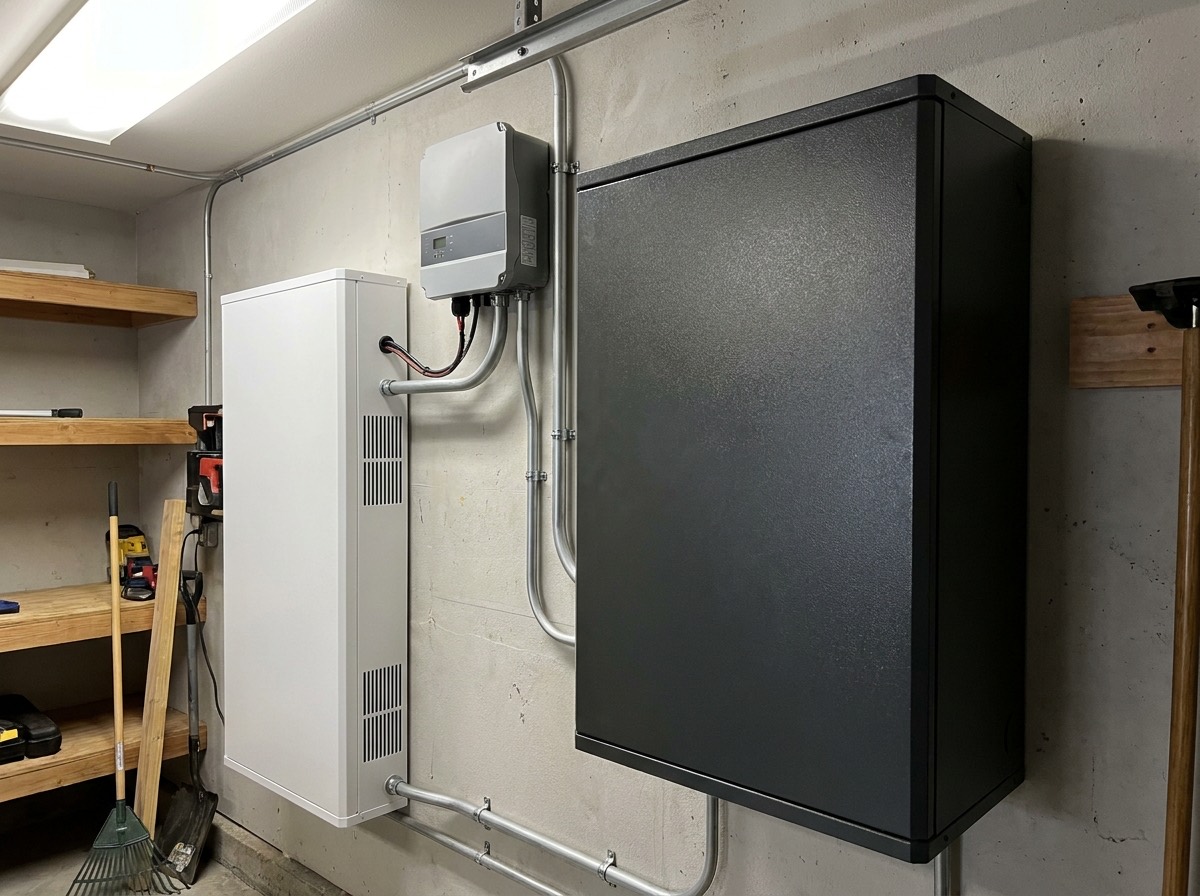
Strengths: The modular approach means you buy exactly what you need. The system is AC-coupled with microinverters inside the battery itself, so there is no single inverter that can take down the whole system; one failed module degrades output instead of killing it. Enphase’s monitoring app is arguably the most detailed in the industry, and the company has a long track record of honoring its 15-year warranty. It is also one of the most widely supported batteries in utility virtual power plant (VPP) programs.
Trade-offs: Per kilowatt-hour, it is one of the pricier options: a 10kWh setup installed often runs $12,000 to $16,000, similar money to a larger Powerwall. Output per dollar is lower too, so whole-home backup with big loads requires several units and careful load management.
Who should pick it: Anyone with Enphase solar already installed, and anyone who values granular expansion and distributed reliability over raw power.
2. FranklinWH aPower 2: Best Whole-Home Replacement
FranklinWH is the company that decided to out-Powerwall the Powerwall. The aPower 2 stores roughly 15kWh per unit (more than the Powerwall 3’s 13.5kWh) and puts out around 10kW continuous, with LiFePO4 chemistry rated for a 15-year warranty. The real star is the aGate controller, a smart hub that orchestrates grid power, solar, a backup generator, and even EV charging as one coordinated system.
Strengths: Native generator integration is the sleeper feature. During a long outage, the aGate can automatically start a standby generator to recharge the batteries, something Tesla handles awkwardly at best. Capacity per unit is class-leading, the batteries stack to enormous totals for large homes, and Franklin has built a reputation for responsive support. It works with whatever solar inverter you already have.
Trade-offs: Installed cost typically runs $16,000 to $20,000 for one battery plus the aGate, a real premium over the Powerwall. The installer network is growing fast but still thinner than Tesla’s, and the brand does not have Tesla’s decade of field history.
Who should pick it: Homeowners in outage-prone areas who want true whole-home backup, especially anyone planning to pair a battery with a fuel generator for multi-day resilience.
3. EG4 PowerPro: The Budget Pick
EG4 sells roughly 14kWh of wall-mounted, indoor/outdoor-rated LiFePO4 storage for around $4,000 to $5,000 in hardware. Pair it with an EG4 hybrid inverter (the popular 18kPV class, around $4,000 to $5,000 more) and you have Powerwall-class capacity and output for well under half the big-brand hardware price.
Strengths: The math is the pitch. Even after paying an electrician for a full professional install, total costs often land in the $10,000 to $13,000 range for a system with more storage than a Powerwall 3. The equipment is UL-listed, the chemistry is safe LiFePO4, and the DIY and installer communities around EG4 are large and active, which means real-world troubleshooting knowledge is easy to find.
Trade-offs: This is the value tier, and it shows in the ownership experience. The app and software are functional rather than polished, VPP program support is essentially nonexistent, and warranty service means shipping components rather than a technician visit. You will likely need to find an independent installer comfortable with the brand, because the big national solar companies will not touch it.
Who should pick it: Budget-focused buyers, rural homeowners used to self-reliance, and anyone working with an independent electrician who wants maximum kilowatt-hours per dollar.
4. Anker SOLIX X1: Best Modular Design
Anker entered home energy with the SOLIX X1, and it is the most thoughtfully designed hardware in this list. The system builds from roughly 5kWh battery modules into stacks of up to 30kWh, with multiple stacks combining to 180kWh for extreme cases. Output scales with the configuration, from around 5kW for a small stack up to 12kW continuous for a full one, and the whole thing is about six inches deep, hugging the wall like an oversized flat-screen.
Strengths: Modularity done right. You can start with 5kWh and add modules later without replacing anything. The X1 delivers 100 percent of rated power down to around -4°F, which matters enormously in northern states where most batteries derate badly in the cold. The design is genuinely attractive, and Anker’s consumer electronics DNA shows in an app that ordinary people can actually use.
Trade-offs: Anker is new to permanently installed home energy, so the installer network is thin and the long-term service track record is unwritten. Pricing lands in premium territory, typically $12,000 to $18,000 installed depending on configuration, so you are not saving money over Tesla, you are buying flexibility and cold-weather performance.
Who should pick it: Cold-climate homeowners, design-conscious buyers, and people who want to start small with a clear path to grow.
5. EcoFlow DELTA Pro Ultra and Bluetti Whole-Home Systems: The Flexible Option
This category is different: semi-portable battery systems that can back up your electrical panel without being permanently bolted to the wall. The EcoFlow DELTA Pro Ultra pairs a 7.2kW inverter with stackable 6kWh batteries (expandable past 20kWh per unit, and to around 90kWh with multiple units) and connects to a Smart Home Panel for automatic whole-home transfer. Bluetti’s Apex 300 class systems play the same game with stackable expansion batteries.
Strengths: Flexibility nobody else offers. There is no roof penetration and a much lighter permitting lift; the transfer panel is the only permanent electrical work. If you move, the battery moves with you. You can wheel a unit to a cabin, a job site, or a tailgate. Upfront cost is lower too: a 12kWh EcoFlow setup with the home panel installed often lands around $8,000 to $12,000.
Trade-offs: These are consumer electronics companies, not energy companies, and warranties reflect that (typically 5 years versus 10 to 15 for installed batteries). Semi-portable systems generally do not qualify for VPP programs, and the 30 percent federal tax credit only applies when the system is properly installed as home equipment (a battery over 3kWh connected through installed wiring generally qualifies; a unit you use as portable gear does not, so document the installation).
Who should pick it: Renters-turned-buyers, people who move often, and anyone who wants serious backup this month without a full solar-battery construction project.
Comparison Table: Powerwall 3 vs the Alternatives
| System | Capacity (per unit) | Continuous output | Typical installed cost | Warranty | VPP support |
|---|---|---|---|---|---|
| Tesla Powerwall 3 | 13.5kWh | 11.5kW | $13,000-16,000 | 10 years | Excellent |
| Enphase IQ Battery 5P | 5kWh (modular) | 3.84kW per unit | $12,000-16,000 (10kWh) | 15 years | Excellent |
| FranklinWH aPower 2 | 15kWh | 10kW | $16,000-20,000 | 15 years | Good |
| EG4 PowerPro | 14.3kWh | Inverter-dependent (8-12kW) | $10,000-13,000 | 10 years | Minimal |
| Anker SOLIX X1 | 5kWh modules (to 30kWh) | 5-12kW | $12,000-18,000 | 10 years | Growing |
| EcoFlow DELTA Pro Ultra | 6kWh (to ~21kWh/unit) | 7.2kW | $8,000-12,000 (12kWh) | 5 years | No |
All costs are rough 2026 figures before incentives and vary widely by region and installer. The 30 percent federal Residential Clean Energy Credit applies to qualifying battery storage of 3kWh or more, installed with or without solar, which knocks roughly $3,000 to $6,000 off most of these systems. Check state programs too: several states and utilities stack rebates on top.
When the Powerwall 3 Is Still the Right Pick
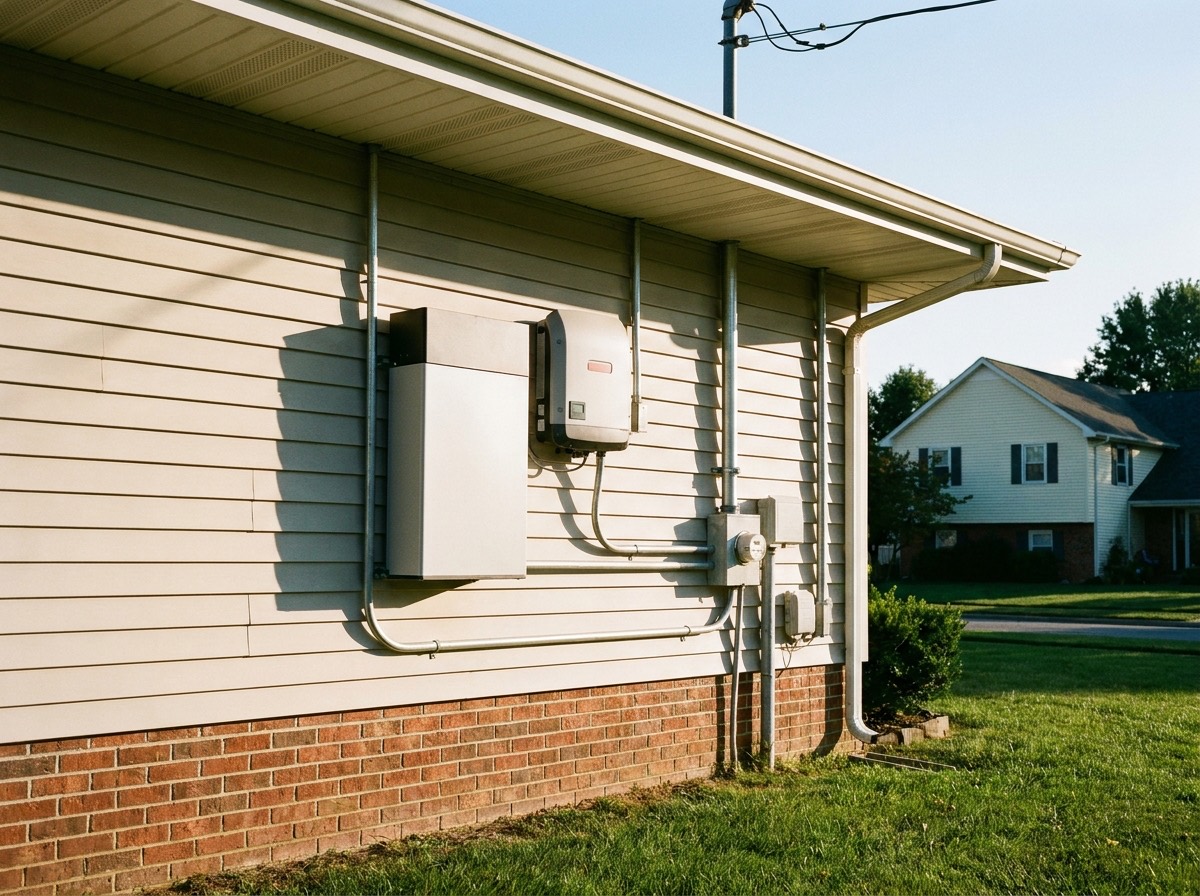
Honesty time: for a lot of buyers, the default answer is the correct one. If you are installing new solar and a battery together, the Powerwall 3’s integrated inverter eliminates a whole box of equipment and its cost per usable kilowatt-hour is among the best in the premium tier. Tesla’s installer network is the largest in the country, its software is the most mature, and its VPP programs pay real money in states like Texas and California.
Pick the Powerwall 3 if: you are starting solar from scratch, you live where Tesla-certified installers are plentiful, you want one big battery instead of modular blocks, and you are comfortable with an app-first service model. Pick an alternative if: you already own solar equipment from another brand, you need generator integration, you want to start smaller than 13.5kWh, you live somewhere brutally cold, or the local Tesla install queue stretches past your patience.
Either way, get at least three quotes and make installers compete. The spread between the highest and lowest quote for the same battery in the same zip code is routinely $4,000 or more, which is a bigger difference than the price gap between most of these brands.
Frequently Asked Questions
What is the cheapest alternative to the Tesla Powerwall 3?
The EG4 PowerPro is the clear budget winner, with roughly 14kWh of storage installable for around $10,000 to $13,000 total, and even less if you have an electrician friend or DIY skills. You give up polished software, VPP participation, and white-glove warranty service to get there.
Do Powerwall alternatives qualify for the 30% federal tax credit?
Yes. The Residential Clean Energy Credit applies to any home battery of 3kWh or more that is properly installed, regardless of brand, and it does not require solar panels. Semi-portable systems qualify only when installed as home equipment through a transfer panel or similar permanent wiring, so keep your installation receipts.
Can I mix a non-Tesla battery with my existing solar panels?
Almost always. AC-coupled batteries like the FranklinWH aPower 2 and Enphase IQ 5P work alongside any existing solar inverter. The main exception is trying to DC-couple a battery into a string inverter that was not designed for it; in that case your installer will simply AC-couple instead, at a small efficiency cost of a few percent.
How many kilowatt-hours do I actually need for backup?
A typical American home uses around 25 to 30kWh per day, but essential loads (fridge, lights, internet, furnace fan, some outlets) run closer to 8 to 12kWh per day. One 13-15kWh battery covers essentials for roughly a day to a day and a half without solar; pair it with solar recharging and it can carry essentials indefinitely in decent weather.